
Specialist leadership training available as part of the next stage of our neighborhood policing programme
New training for neighbourhood sergeants and inspectors
Published on
News
3 mins read
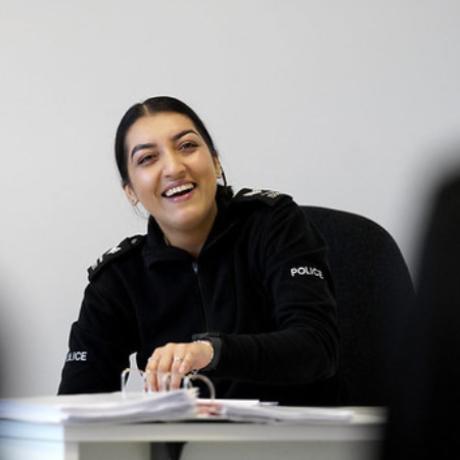
We’ve released specialist leadership training for sergeants and inspectors who lead frontline neighbourhood policing teams. This training, titled 'NPP3: Leading effective neighbourhood policing teams', marks the next stage of our neighbourhood policing programme (NPP).
The launch coincides with neighbourhood policing week, an opportunity to recognise the vital contribution frontline officers make every day to the people and places they serve.
Building neighbourhood leadership
Effective neighbourhood policing depends on strong leadership. Sergeants and inspectors set the culture, standards and direction of their teams. The quality of that leadership shapes what communities actually experience on the streets where they live and work.
NPP3 equips leaders with the skills to lead problem-solving and prevention work, manage offenders and work in partnership to reduce crime. It also addresses the practical challenges of neighbourhood leadership, such as:
- translating strategic priorities into clear, achievable outcomes for communities
- working collaboratively with partners, elected representatives and community organisations
- sharing information appropriately with partners and the public
- measuring and managing risk
- developing high-performing teams where officers feel valued, supported and motivated to do their best
After completing the classroom-based training, sergeants and inspectors build a neighbourhood leadership portfolio. This is a structured assessment that provides evidence of how they are applying their learning in their communities.
This ensures the training translates into real improvements in how neighbourhood teams are led, holding leaders to the same professional standard across all 43 forces.
A comprehensive career pathway
More than 20,000 officers and police community support officers (PCSOs) across England and Wales have completed the first part of the specialist training since the programme launched in June 2025. Assessment scores show an average improvement of 60% in knowledge and skills.
In our evaluation of trialling the training officers also reported greater confidence, renewed enthusiasm and a stronger sense of being equipped to serve their communities.
Sergeants and inspectors also told us they felt better equipped in measuring whether neighbourhood policing is actually making a difference in their area. That means local communities can expect their neighbourhood police teams to be better at:
- showing what they are doing
- understanding what is working
- making smarter decisions about how they respond to local issues
This latest release builds on that foundation. We have also published initial online training in three specialist areas:
- working in partnership to prevent and reduce crime
- protecting communities from serious and organised crime
- managing offenders effectively
More intensive classroom-based training in these areas will follow later this year.
Following NPP3, we will develop the next stage of the pathway, focusing on leadership for those with strategic responsibility for neighbourhood policing. These releases will create a comprehensive career pathway from newly-deployed constable to strategic leader, establishing neighbourhood policing as a professional specialism with dedicated training and development.
Safer streets
Our neighbourhood policing programme is an important part of the government's Neighbourhood Policing Guarantee, which requires not just trained officers on the ground, but the leaders who can support, develop and direct them effectively.
This supports the Safer Streets mission, while the government's plans for police reform place neighbourhood policing and tackling local crime at the heart of policing's future.
It means whether you live in a city centre or a rural village, you'll benefit from having neighbourhood officers who are:
- trained to a consistent and high standard
- equipped with the specialist knowledge and skills to understand local problems, build community relationships and develop effective solutions
Well-led teams are better placed to be visible, consistent and trusted in the places where people live and work.
Our commitment to police leadership
This training reflects our wider commitment to developing outstanding leaders across the service. As the National Centre for Police Leadership, we run the police leadership programme, a five-stage development programme supporting officers at every stage of their career. We also lead the national talent development strategy, helping forces grow their leadership capacity and invest in talent at every level.
We launched the police leadership commission in October 2025, which is assessing current leadership capabilities across the service and identifying the gaps and challenges policing faces now and in the future. This training is an integral part of this wider commitment, ensuring that neighbourhood policing leaders are developed to the same professional standards that run through everything we do.
By building consistent, high-quality leadership, we are raising the standard of neighbourhood policing for every community, regardless of where they live.
Access the training
All parts of the neighbourhood policing programme are available on College Learn. You will need to sign in with your '.police.uk' email address and search for 'NPP' to access the programme.
We remain committed to working closely with forces to embed the training effectively and to ensure the programme is delivered in a way that suits each force's needs. To find out when the training will be available in your force, speak to your force's learning and development team.


